Reviews
Part of Per cup, not per tin: where a specialty teas budget actually starts
Specialty Teas Retail: Harvest Method and Buying
In specialty teas retail, harvest method is a quality clue, not a price rule: the questions to ask suppliers, a cost-per-serving method and turnover checks.
What to take away
- Hand-picked and machine-harvested tea can differ in quality, and the difference is measurable in the leaf.
- A study of one oolong found machine harvesting cut over half the measured compounds by at least 50 percent.
- Deep discounting can encourage stockpiling; if tea sits unused and tastes flat, customers may associate that experience with the shop.
- Compare cost per serving and turnover speed when making buying decisions; both affect a shop's margin calculation.
Treat harvest method as one buying clue
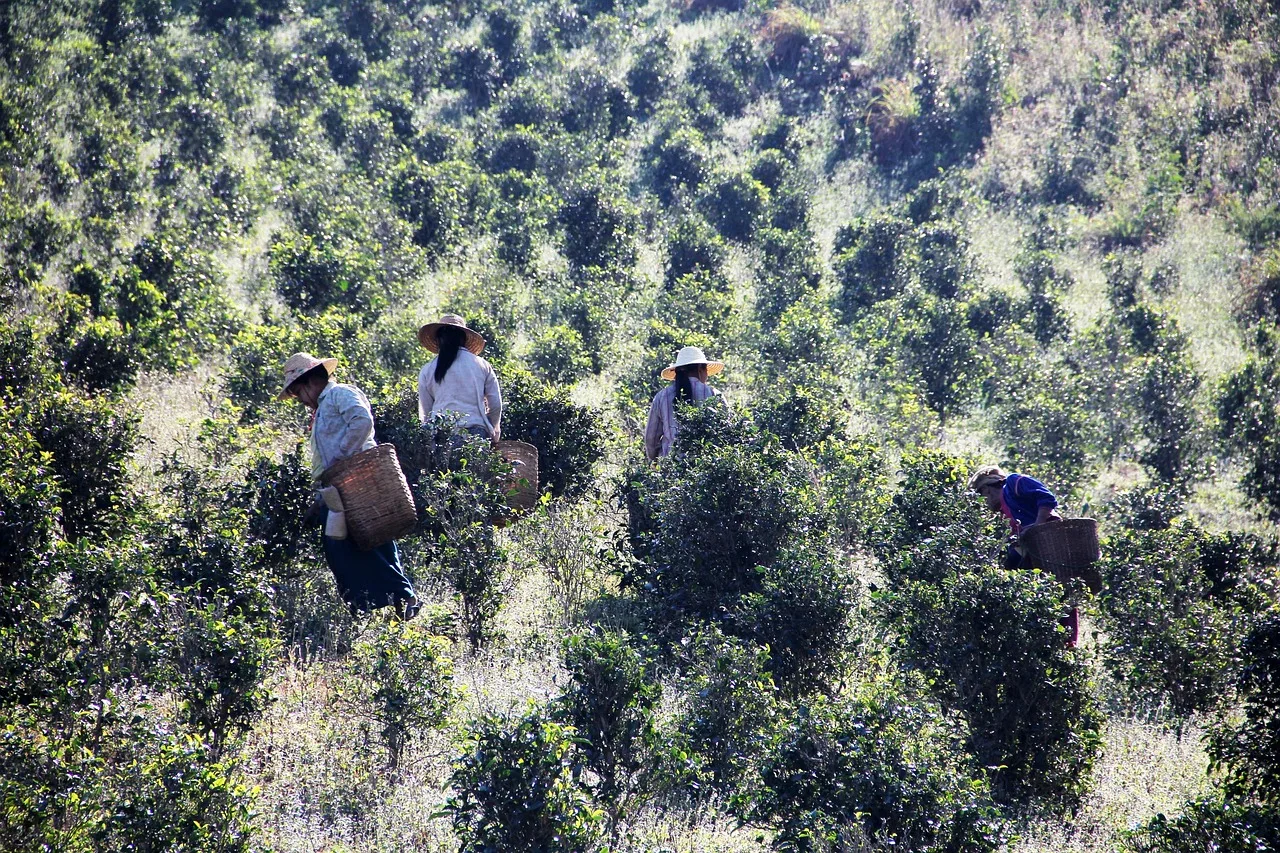
In specialty teas retail, harvest method can distinguish quality tiers, but it does not by itself establish a universal price difference. A study of 185 Tieguanyin oolong products compared hand-picked and machine-harvested leaf. It found a minimum 50 percent loss for over half the chemicals measured in the machine-harvested group.
Losses covered catechins, theaflavin and gallic acid, with a matching drop in sensory scores. The authors built a model that told the two apart with 93 percent accuracy.
That is one style and one region, so it is evidence about quality, not a universal explanation of hand-versus-machine prices. For a buying decision, compare the lot's quality and intended use with its price rather than assuming the harvest method alone explains the difference.
What hand plucking means on a spec sheet
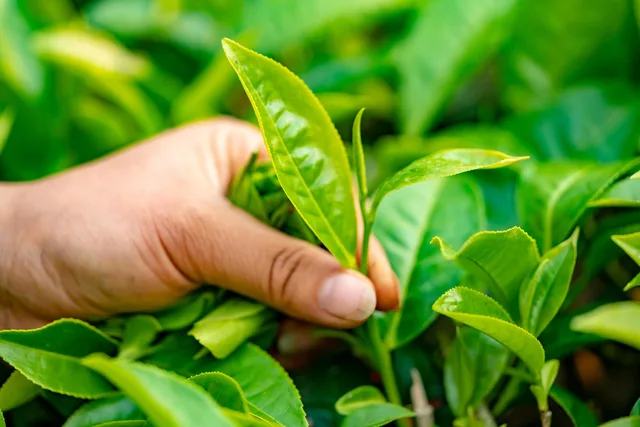
A spec sheet usually describes hand plucking by its plucking standard, meaning how many leaves come away with each bud, and by the harvest season. Those two facts tell a buyer more about a lot than the word "hand-picked" on its own.
For a buyer, that gives three questions to put to any supplier before the price:
- Was the lot hand-picked or machine-harvested?
- What plucking standard was useda bud and two leaves, or coarser leaf?
- Which harvest season does the lot come from, and is it the same lot as the last order?
A clear answer to all three is worth more than a tasting note. A supplier who cannot answer them is selling a name, not a lot.
Put tea price in cost-per-serving context
Cost per serving
| Input | How to get it |
|---|---|
| Wholesale cost per kg | From the invoice, landed, not FOB |
| Actual dose in grams | Weigh what staff or customers use, not the spec |
| Servings per kg | 1000 divided by the actual dose |
| Cost per serving | Cost per kg divided by servings |
| Shrink allowance | Add 5 to 10 percent for spillage and samples |
Weigh the real dose. Written specs assume a careful hand and a level scoop. The gap between the spec dose and the poured dose is often 30 percent, and it comes straight out of margin. An over-poured scoop means fewer servings per kilo, so every cup carries more of the lot's cost. Run the table with the invoice price of each lot side by side: a hand-picked lot that costs more per kg can still cost less per cup if customers use a smaller dose of it.
Be careful with deep discounting
Clearing slow stock with a heavy price cut feels like the obvious move. It moves the tin, but it does not move the tea into a cup.
A customer who buys four tins because they were cheap may still drink the fourth a year later, when it is flat, and blame the shop for selling flat tea. Discount into sampling and blends, not into large-format stockpiles.
The checks that protect margin
- Reconcile received weight against invoiced weight on every delivery.
- Record the date each bulk container is opened, not just received.
- Set a shrink budget for samples and hold buyers to it.
- Reprice when the harvest changes. The same name is a different lot and a different cost.
- Track sell-through by weeks of supply, not by units sold.
Where the money actually goes
Most independent shops lose more to slow-moving breadth than to any pricing error. Twenty teas turning in eight months beat forty turning in sixteen, and they win twice: lower carrying cost and better quality for customers.
Buy the hand-picked lots where customers taste the difference, and keep machine-harvested leaf for the roles where it works.
Common questions
What margin should a specialty tea carry?
Enough to absorb shrink, samples and a share of the tea that ages out. Work it out per lot from the cost-per-serving table rather than from one markup for the whole shelf; in practice that lands higher than a straight cost-plus calculation suggests.
Should I sell samples at a loss?
Sell them at cost or slightly above. Free samples get taken and not tasted, and they are the largest untracked cost in most tea shops.
Is machine-harvested tea worth stocking?
Yes, at the right price and in the right role. It is the base of iced programs and blends. Sell it as what it is.
How do I set opening quantities on a new line?
Buy eight weeks of your best guess, not a case discount. If it moves, reorder. The discount is never worth twelve months of a tea nobody wanted.