Reviews
Buy for consistency, not novelty, when stocking a tea ritual
Buying for a routine means size, availability and consistency before novelty. How much to buy, when to reorder, and the one category worth buying deep.

Topic
Reviews
Buying for a routine means size, availability and consistency before novelty. How much to buy, when to reorder, and the one category worth buying deep.
Reviews
Real tea ritual case studies show what each practice changed and the conditions that decided whether the routine survived past the first week at home.
Features
Five small tea routines, each attached to a cue you already have, and what the habit-formation research says about why repetition beats resolve.
Industry
Six tea ritual habits worth keeping into 2027, four worth dropping, and the brewing measurements and leaf ratios that decide which is which.
Reviews
What a shop needs to stock for daily tea drinkers: house teas that never run out, printed brewing parameters, 100 g and 250 g sizes, and reorder points.
Industry
No tea ritual case studies here: no one was interviewed. How five fixed elements — time, place, tea, method, vessel — make a daily tea habit repeatable.
Costs
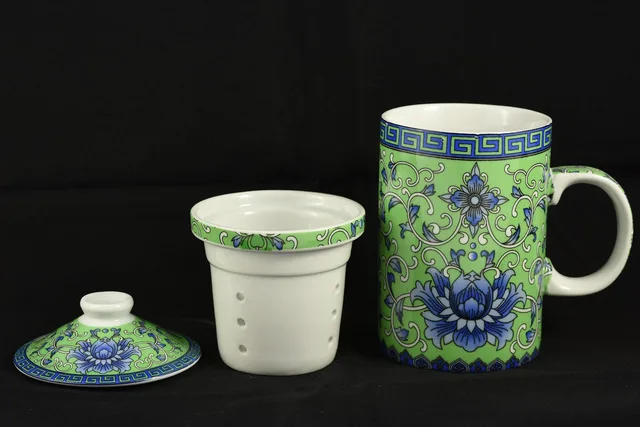
In teaware, price buys finish, consistency and labor more than it buys a better cup. What material names actually mean and where to spend first.
Industry
No brands are profiled. Kiln-site analysis shows where Chinese proto-porcelain began and how glazes developed, plus what the standard teaware shapes are for.
Maintenance
How to run a tasting flight of teaware: one tea, five vessels, everything else held identical. What receptacle color and weight have been shown to do.
Reviews
This explains why a recurring tea accessories box fits poorly with durable teaware, what evidence on familiar utensils suggests, and when a gear box may be worth it.
Reviews
Tea accessories labels can be vague. Learn which material names to look for, what U.S. food-contact rules to ask about, and questions to put to a seller.
Reviews
No tea accessories reviews and no rankings: nothing was bought or tested. What you get instead are five vessel tests you can run in your own kitchen.
Reviews
Pairing young American tea brands means choosing quiet food like buttered toast that lets aroma and lighter body read clearly instead of covering the cup.
Industry
What US-grown tea has: domestic origin is something a customer cannot taste, and supply rarely lasts a year. How to run US-grown tea as a special rather than a list.
Reviews
Beginner guide to tasting US-grown tea in 2027: how to taste domestic tea fairly, an imported reference brewed identically, and why more measured polyphenol content.
Reviews
Humidity is the storage problem in most US tea growing regions, why sealed beats open, which category is risky, and how to tell if leaf has taken up moisture.
Industry
American tea makers at garden scale: a small domestic garden does the whole chain itself, what that scale can produce, and how withering shapes a white tea.
Industry
No producers are ranked here. Where tea can be grown in the United States, how many farms there are, and the single South Carolina station behind most of it.
Reviews
Tea brewing mistakes buying new tea won't fix: hot-tea film and cooling haze are clues about water, tea type, and cooling, not leaf quality.
Reviews
Make each brewing error on purpose beside a correct cup. Four deliberate faults, what each should taste like, and why detection is trainable.
Features
Five fixes for tea that is too strong: dilute with hot water, sweeten it, add milk or cream, serve it over ice, or use it as a base for other drinks, but not aroma.
Industry
Tea brewing advice is moving from tradition toward measurement. What instrument grading can and cannot do, and how to read a new brewing claim.
Reviews
Tea brewing mistakes retail shops can address with lot-specific brew instructions, staff consistency, counter demonstrations, scales, and timers.
Maintenance
Five tea brewing mistakes that account for most bad cups, the fix for each one, and why bitterness flattens the aroma as well as the taste.
Costs
Why a cold teapot takes heat from brewing water, a five-step preheat routine, a side-by-side test to run at home, and where vessel material fits.
Industry
Tea brewing methods brands: no brands are profiled. The dated evidence for early tea drinking and its spread, and why every brewing method followed the format.
Features
A four method flight design for one tea: what studies predict for hot, cold and iced steeping, plus scoring and why herbal infusions need their own flight.
Reviews
Use this kitchen checklist alongside tea brewing methods reviews: assess water, temperature control, timing, and vessels before choosing a tea subscription.
Reviews
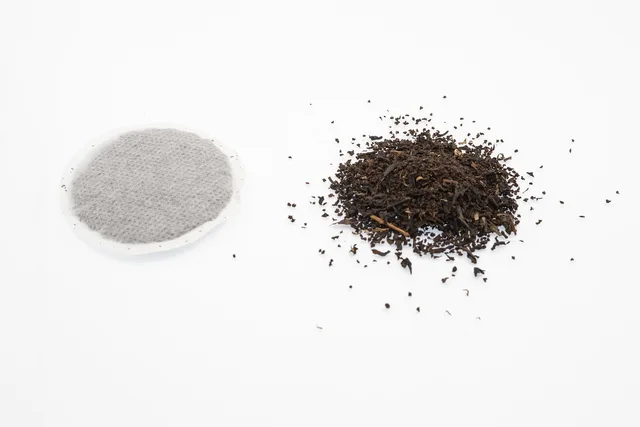
The format a tea is sold in decides the brewing method before any instruction does, and bag design changes how fast the leaf gives anything up.
Guides
What actually happens inside the pot while tea brews: brewing runs three clocks at once, the leaf swelling, compounds dissolving, and aroma leaving.
Features
Six tasting approaches that change what you notice in a cup, including why aroma raises measured sweetness and what the word kokumi describes.
Reviews
A four-session parameter ladder for learning one loose leaf tea properly, why temperature outruns time in the cup, and what to write down each time.
Reviews
Beginner guide to tasting tea collections in 2027: how to work through a boxed tea set, a control pass first, an order that respects palate carryover.
Reviews
How to stock specialty tea: lot codes, turnover targets built on published shelf-life data, the supplier paperwork to request, and floor storage.
Reviews
In specialty teas retail, harvest method is a quality clue, not a price rule: the questions to ask suppliers, a cost-per-serving method and turnover checks.
Features
Five ways to serve specialty tea, with starting doses and times for each, plus why your brewing water changes the cup more than most people expect.
Features
Specialty teas options include weighing leaf, choosing loose leaf, resteeping, cold batching, and timing extraction to make better use of each serving.
Industry
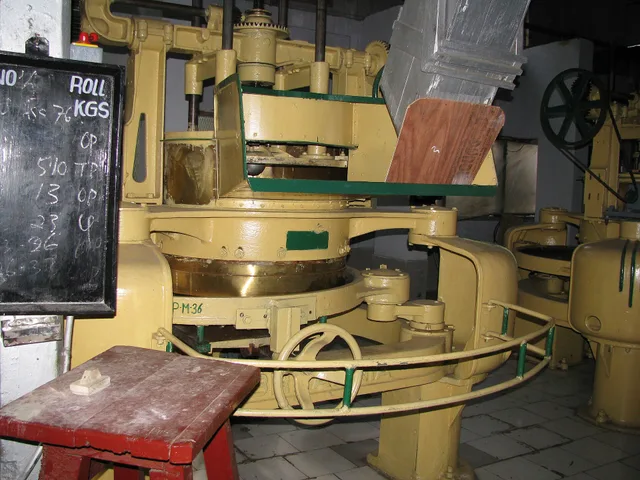
The five stages of making loose leaf tea and what each one decides, including why moderate rolling pressure beats maximum and where aroma is lost.
Industry
Independent tea makers compared on how they blend, scent and flavor: what each house does, what it costs per cup, and what to check on the label.
Costs
Explains how paying more for tea mainly shifts chemistry to amino acids and away from catechins, then gives a blind side by side method to find where gains flatten.
Industry
For loose leaf tea businesses, assess water before choosing holding vessels. See how water, heat, service time, and labor shape a workable tea program.
Industry
The operational filters that decide a tea list on a cafe or bar menu: service windows, kettle settings, milk and ice, and the steps for costing a cup by serving.
Guides
How to build a tea flight that teaches you something: pick a single axis, hold the serving temperature, and clear the palate properly between samples.
Reviews
A loose leaf tea comparison by shape and size: see which named leaf forms suit a mug basket, gaiwan, or teapot, and decode common grade labels.
Reviews
A controlled method for comparing specialty tea at home: fix every variable but one, score bitterness and astringency apart, and taste all three steeps.
Reviews
How to taste and compare: knowing what a tea cost changes how much you enjoy it. How to run a blind comparison at home so the price tag is not doing the tasting.
Reviews
Loose leaf tea storage: how to tell stale tea by smell rather than by date, why old liquor darkens, and the storage controls that matter ranked by how much they do.
Reviews
Pairing ideas that: pair tea by aroma family rather than by instinct, use the empty cup to sort a tea, and treat aromatic congruence as a starting rule rather.
Reviews
Tea collections pairing ideas centered on astringency: see how fat, sweetness, salt, acid, and familiar foods change a cup.
Guides
How to plan a tea collection from consumption rather than from a wish list: turnover math, spread by aroma type, and which teas are worth holding.
Industry
Specialty tea trends to test: matcha grade language, aged white tea vintages and single-garden oolong, with a checklist for checking the claims behind each.
Costs
Specialty teas: cost per cup rather than price per tin, what multiple infusions do to the math, the US duty on flavored tea, and where a tea budget quietly leaks.
Industry
Specialty teas trends behind the leaf you buy: uneven precision-farming adoption, ancient-tree Pu'er scarcity, and five pointers for buyers as spreads widen.
Reviews
No boxes are ranked here. Judge a tea subscription on portion size, harvest dating, information per item and exit terms, and price it per gram.
Reviews
A tea collections storage system: decant two weeks of drinking into a working tin, keep the reserve sealed and cold, date every tin and rotate by use.
Industry
Tea tasting ideas brands can borrow start with defined terms and reference samples. See how vocabulary can support product development and quality control.
Guides
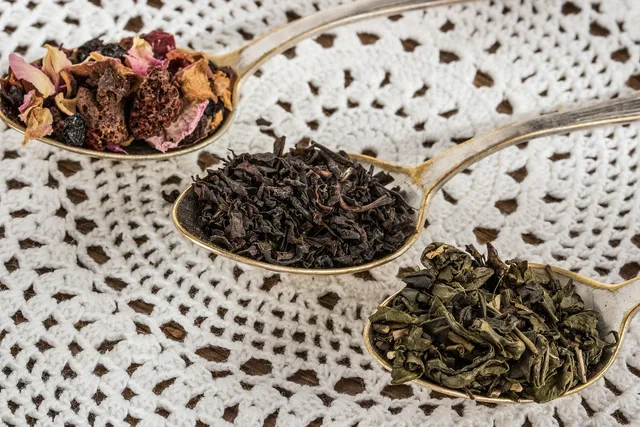
What specialty tea actually means: one plant, six processing routes, and the label fields that predict the cup far better than the price does.
Reviews
Pack brewing instructions are a conservative default, not an optimum. What the research found on temperature, steeping time and leaf-to-water ratio.
Reviews
What to check before buying specialty tea: harvest date, origin, cultivar and net weight, and why the more expensive tin is not the safer bet.
Reviews
What to look for when buying specialty teas on a budget: packaging and shelf design are built to move attention. A fixed six-step buying procedure for tea.