Costs
Part of Are three clocks really running at once during tea brewing methods
Preheating a teapot: a free routine and test for brewing methods
Why a cold teapot takes heat from brewing water, a five-step preheat routine, a side-by-side test to run at home, and where vessel material fits.
What to take away
- Preheating costs nothing and protects the brewing temperature you meant to use, with water you have already heated.
- Water holds a lot of heat, and a cold ceramic pot takes a real share of it the moment you pour.
- Measure what your kettle and pot deliver, because no vessel fixes a temperature drop you did not measure.
- A scale, a thermometer and a timer are the cheap tools that confirm the routine works.
- Vessel material comes second, and different utensils suit different teas.
Why a cold pot steals heat
A cold ceramic pot takes a real share of the water's heat the moment you pour. Water holds a lot of heat. NASA notes that water has a high heat capacity, and it takes 4,184 joules to raise one kilogram by one degree Celsius, far more than most substances need.
The cheapest technique in tea beats most purchases, and the reason is physics. Two objects in contact move toward one temperature, and NASA describes how heat is transferred between the objects on the way there. The pot soaks up part of the water's heat, so the leaf meets cooler water than the kettle setting suggests. Rinsing the pot with hot water first costs nothing and keeps your recorded brewing temperature honest.
A preheating routine you can repeat
Preheat with hot water, empty the pot, then brew. The whole routine adds one pour and no cost. Run it the same way every time, so that a changed cup points to the tea and not to the pot.
- Heat the water to the temperature you normally use for that tea.
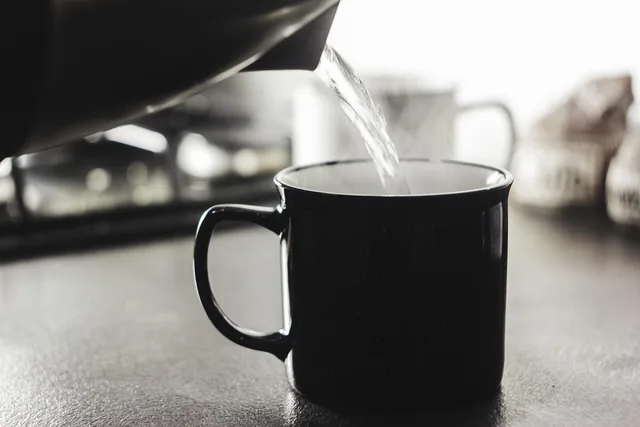
- Pour a little into the empty pot, swirl it, and discard it.
- Add the leaf and pour the brewing water.
- Check the temperature with a thermometer right after the pour.
- Start the timer and write the reading next to the tea.
The written reading turns a habit into evidence. After a few brews you can see how far your own pot pulls the temperature down, and whether the preheat closes the gap. A kettle that holds temperature makes the starting point steadier, which helps if you drink green tea daily.
Measure what your kettle and pot deliver
Measure first, then trust the setting. Checking what your own kettle and pot actually deliver comes before any purchase, because no vessel you can buy fixes a temperature drop you did not measure.
Equipment impact vs cost
Item
- Kitchen scale
- Low
- Thermometer
- Low
- Timer
- Free
- Second identical cup
- Low
- Variable kettle
- Medium
- Good teapot
- Medium-high
- Specialist ware
- High
Cost
- Kitchen scale
- Dose, biggest variable
- Thermometer
- Temperature, second biggest
- Timer
- Stops runaway extraction
- Second identical cup
- Makes comparison possible
- Variable kettle
- Convenience, not capability
- Good teapot
- Pouring, heat retention, flavor
- Specialist ware
- Pleasure and ritual
What it changes
- Kitchen scale
- Thermometer
- Timer
- Second identical cup
- Variable kettle
- Good teapot
- Specialist ware
The tools that do this job are cheap. A kitchen scale fixes the dose, the single biggest variable. A thermometer reads the temperature, the second biggest. A timer stops runaway extraction, and a second identical cup makes comparison possible. A variable kettle adds convenience, not capability.
Temperature earns its place on that list. A pot that quietly lowers it changes what the leaf meets, which is why the reading after the pour matters more than the kettle setting.
Dose, temperature and time are the mechanics of any brew, and a typical brewing methods project walks through all three. Preheating is the part of that picture that needs no equipment at all.
Compare a preheated brew with a cold one
The only way to see what preheating does in your kitchen is to brew the same tea twice. Use the same leaf, the same dose, the same water and the same time. Preheat the pot for one brew and skip it for the other.
Pour each into one of two identical cups and taste them side by side, with the thermometer reading written down for both. Whatever difference there is will show in the cup and on the thermometer. A tasting flight around brewing methods extends the same idea to more variables.
Vessel material comes second
Material is the second question, not the first. Utensils change the tea liquid: a study combined sensory evaluation with HPLC across different tea sets and found that tin, porcelain and purple sand each shaped the cup differently.
- Tin vessels gave relatively higher amino acid content and a fresher taste.
- Porcelain gave higher polyphenols, soluble carbohydrates and water extract, with more sweetness and thickness.
- Purple sand suited oolong and dark tea.
Vessel material matches tea type
Vessel
- Tin
- Fresh taste
- Porcelain
- Black tea
- Purple sand
- Oolong, dark tea
Best for
- Tin
- Higher amino acids
- Porcelain
- Sweetness and thickness
- Purple sand
- Suited pairing
Effect
- Tin
- Porcelain
- Purple sand
The conclusion of the study is that different utensils suit different tea types. Read that as a matching problem rather than a quality ladder. Porcelain for black tea and unglazed clay for roasted oolong is a defensible pairing. Buying the most expensive pot for everything is not.
Where money is well spent after the basics
Once the routine works and the temperature is measured, a few purchases are worth considering. None of them replaces preheating, and each one is about control or comfort rather than a better cup by itself.
- A pot you can pour off cleanly and completely, which prevents the last-cup problem.
- Enough small cups to run comparisons.
- Tea, rather than equipment, once the basics are covered.
When the basics are covered, the leaf is the better place for the next dollar. Advice on buying specialty teas covers that choice, and price changes in tea tasting shows how cost interacts with what you taste.