Guides
Gooseneck Kettle vs Standard Kettle: Which Brews Better Tea?
Gooseneck kettle vs standard kettle: pour rate, temperature control and 120V wattage decide which design suits loose leaf tea in a US kitchen.
What to take away
- A gooseneck kettle earns counter space when you brew loose leaf in a small vessel and need a slow, placed pour.
- A standard kettle is the better buy for teabags, one litre pots and kitchens that also boil water for cooking.
- Temperature control changes a cup more than spout shape does, and a 120V kettle reaches 200F in three to five minutes.
- Neither kettle measures what the leaf gives up, so water, ratio and time stay your job.
A kettle is a vessel, an element and a spout. Only the spout changes how water lands on leaf.
The two kettles on a 120V counter
American electric kettles run on 120V kitchen circuits and draw roughly 1200W to 1500W. A 15A circuit at 120V carries 1800W, so a kettle that size sits near the ceiling of one outlet.
The National Electrical Code is the standard behind those kitchen circuits. It is one reason a US kettle boils a litre more slowly than a 230V model sold in Britain. NFPA 70 sets the wiring rules American kitchens are inspected against.
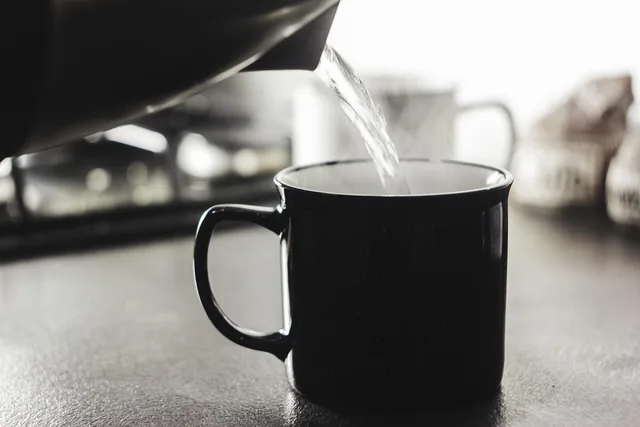
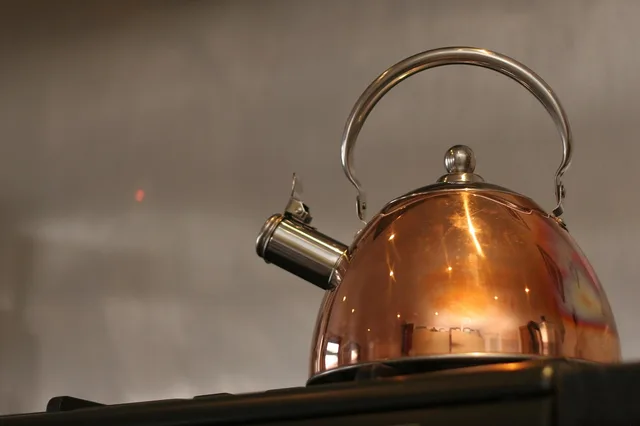
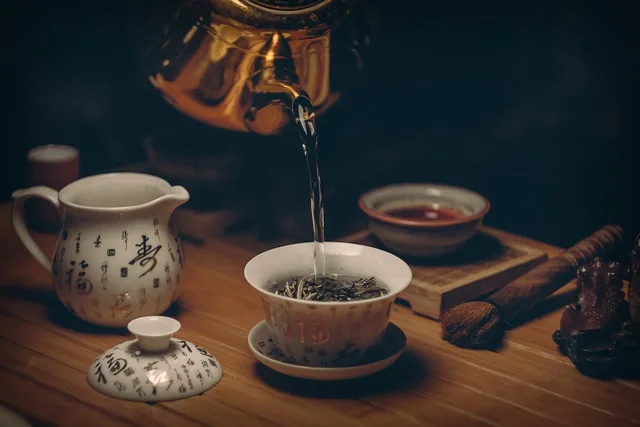
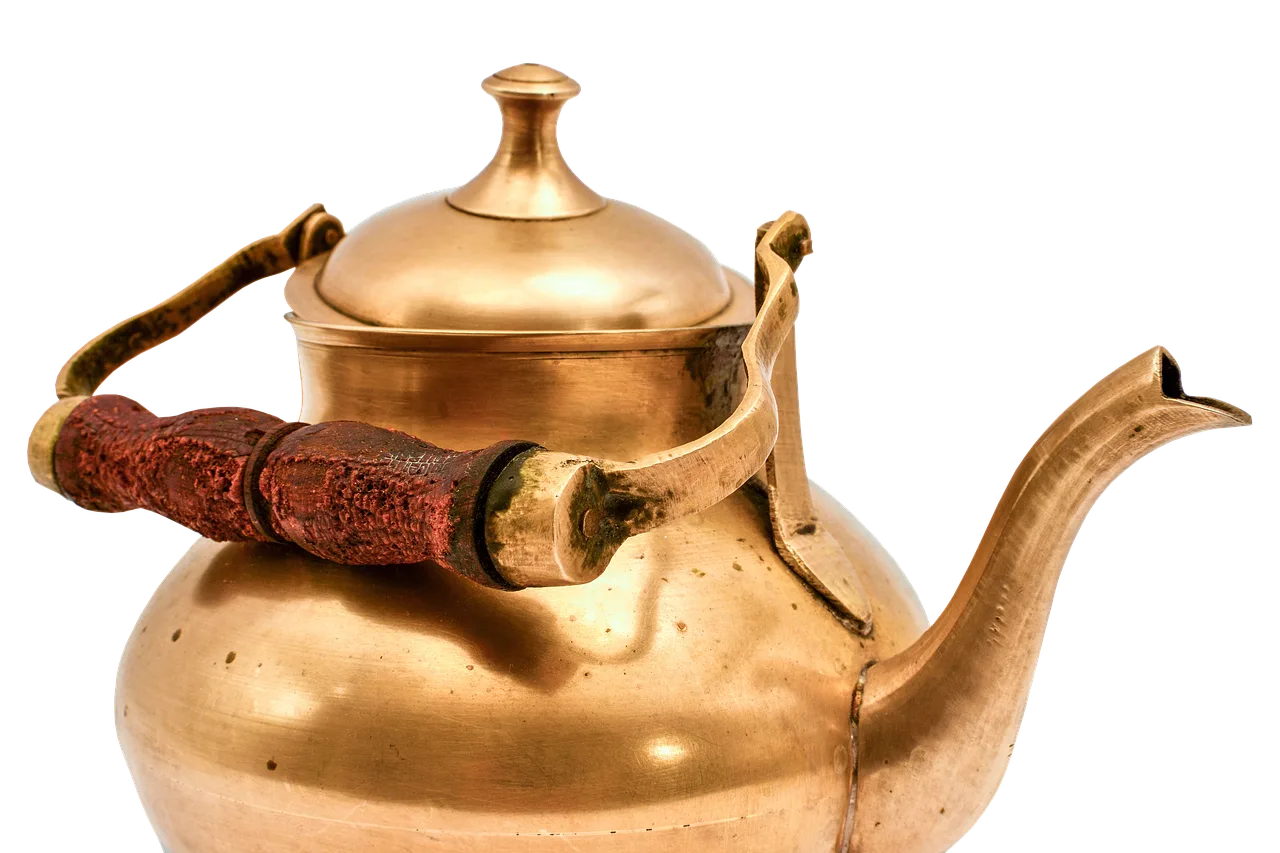
A standard kettle ends in a wide spout, and water leaves it in a broad sheet. Where that sheet lands depends on the wrist. A gooseneck bends the end of the spout into a narrow curve, often 6 mm to 8 mm across, so the stream stays thin and aimable.
The gap looks minor with a teabag, and coffee writers treat it that way, but loose leaf in a 150 ml gaiwan is a different problem.
A wide stream lifts the whole bed at once, and first seconds decide how much tannin and caffeine come out. That setup drives most bitterness from tea brewing mistakes beginners meet in month one.
Criteria that decide a cup
The table below sets out what separates the two designs, from pour control to price.
Gooseneck kettle
- Pour control
- Thin stream, aimed at one spot
- Flow rate, illustrative
- 8 to 15 ml per second
- Temperature setting
- Common on variable models, 1F steps with a hold
- Power draw at 120V
- 1200W to 1500W
- Cleaning
- Narrow neck needs a bottle brush
- Price, illustrative
- $60 to $200
Standard kettle
- Pour control
- Wide sheet, moves the whole bed
- Flow rate, illustrative
- 40 to 80 ml per second
- Temperature setting
- Often on and off only, sometimes a dial
- Power draw at 120V
- 1200W to 1500W
- Cleaning
- Wide mouth, easy to wipe
- Price, illustrative
- $20 to $70
Flow ranges are illustrative, since spout geometry varies by brand and by fill level.
Measuring your own pour rate
You can measure your own kettle in ten minutes with a scale and a timer.
- Fill to 500 ml and heat to 200F.
- Pour into a graduated cup for exactly 10 seconds, then weigh the water.
- Repeat at 175F and 185F to see how the stream shifts as the water cools.
- Time a full 300 ml pour and watch where the bed of leaf moves.
If you want a template for changing one variable at a time, a real head-to-head test runs four methods against one tea. Three numbers matter: pour speed, steadiness and where the stream lands. A gooseneck gives you the first and third. The second depends on the water level, since a low line cuts the head pressure and slows the pour.
A heavy stream over a small bed drives water past the leaf before it opens. A thin stream over the same bed does the opposite, and the gap shows up in the second infusion more than the first.
Where each kettle wins
Buy a gooseneck if you brew loose leaf in vessels under 300 ml. The narrow spout lets you wet the leaf in stages and stop before the water covers it.
Temperature control on these models matters most for green, white and lightly oxidised oolong, where a 15F swing moves the cup.
Buy a standard kettle if tea is one job among many. It fills a one litre pot in one pour, handles teabags, and costs less at the same wattage.
Wide mouths are easier to descale, and a stovetop model skips the outlet. Warming the pot first does more than a new purchase, and preheating beats buying makes that case at length.
The limitation both kettles share
No kettle measures extraction: a readout shows vessel water temperature, not dissolved solids in the cup, and no spout fixes chlorinated tap water.
Both designs cool at different rates once lifted from the base, so the number you set is not the number at the leaf. Boiling point falls with altitude, as the tea brewing article explains.