Reviews
Is size the tea accessories property with the most evidence behind it
No products were tested and none are ranked. What the evidence says drinking vessels actually do, and the tests you can run in your own kitchen.
What to take away
- No products were tested for this article and none are ranked. What follows are the criteria and the tests you can run yourself.
- Vessel design is not neutral. Research on drinking vessels shows shape and capacity change drinking behavior.
- Size is the single most evidence-backed property of any vessel, and it is the one nobody shops on.
- Buy for function firsta scale, a way to control temperature, and something you can pour off cleanly.
Why there is no product roundup
An honest product review means buying the items, using them for months, and comparing them under matched conditions. Nothing of the kind was done here. A list assembled from manufacturer copy is a catalog, not a review.
What can be done honestly is to set out what the evidence says vessels actually do, and give you tests you can run in your own kitchen.
Vessels change behavior, which is the strongest claim you can make for them
A review of glassware design examined how capacity and shape affect drinking behavior. It looked at individual sips and total amount consumed, and explored perception and affordance as mechanisms behind those effects.
The review notes that the evidence base is thin, particularly on measures of consumption, but concludes glassware design is a promising target for changing how people drink.
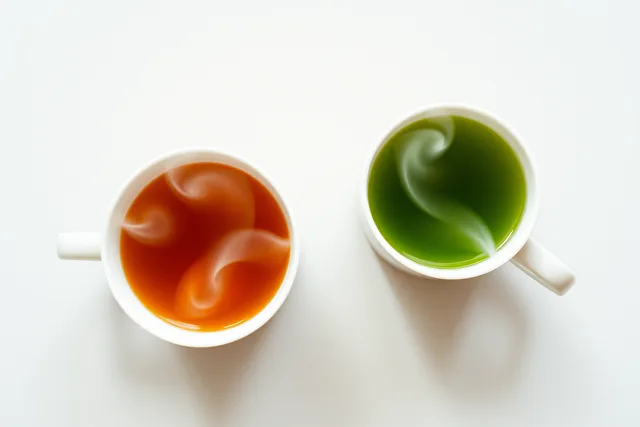
That study was about alcohol and sugary drinks and the goal was public health, not pleasure. What transfers is the finding that the container is part of the experience rather than a neutral holder. Matching the vessels is what lets a comparison say anything about the tea, which matters most when one side of it is an unfamiliar origin.
Size is the property with the most evidence behind it
A Cochrane review assessed interventions exposing people to different sizes or dimensions of a portion, package, individual unit or item of tableware, and their effect on unregulated selection or consumption of food, alcohol and tobacco in adults and children.
For tea, the practical version is simple and almost nobody applies it. A 200 mL cup and a 350 mL mug are different drinking experiences from the same pot, and the smaller one makes short-steep brewing possible at all. Choose capacity deliberately before you think about material or appearance.
What earns its price, in order
What earns its price
What it buys
- Kitchen scale
- Repeatable dose
- Temperature control
- The second biggest variable
- Small cups, matched
- Comparison and short steeps
- Vessel that pours off completely
- Stops the steep cleanly
- Unglazed clay
- Suits roasted and dark tea
- Decorative ware
- Pleasure
Verdict
- Kitchen scale
- Buy first, cheap
- Temperature control
- Worth it if you drink green tea
- Small cups, matched
- Cheap, high value
- Vessel that pours off completely
- Worth paying for
- Unglazed clay
- Only if you dedicate it
- Decorative ware
- Buy it because you like it
The last row is not a criticism. Enjoying an object you use daily is a legitimate reason to buy it. It is just not a claim about the tea.
What earns its price
- Kitchen scalerepeatable dose, buy first
- Temperature controlworth it for green tea
- Small matched cupscheap, high value
- Vessel that pours off completelyworth paying for
- Unglazed clayonly if you dedicate it
- Decorative warebuy it because you like it
Tests you can run yourself
- Brew the same tea in two vessels, same everything else, and taste side by side.
- Time how long a pot takes to pour out completely. Slow pours over-steep the last cup.
- Fill it with hot water and hold it. If you cannot, you will not use it.
- Check whether the lid stays on when you pour. Most do not.
- Measure the actual capacity with a scale. Stated volumes are frequently wrong.
The equipment argument in more detail is in how price changes what you get with tea brewing methods, and the mechanics your gear is trying to control are in what happens during a typical tea brewing methods project.
Common questions
What is the minimum kit?
A scale, a kettle, a strainer and two cups. Everything else is preference.
Is expensive teaware better made?
Often, in the sense of finish and consistency. Whether that reaches the cup is a separate question and usually the answer is no.
Should I match my teaware?
Match the cups if you want to compare teas. Everything else can be whatever you like.
What is the most overrated purchase?
The second infuser, and any device that promises to brew for you. Both remove control rather than adding it.