Reviews
Part of How American tea brands actually grow, and the research station behind most of it
Humidity, not light: the real threat to American tea brands in storage
Humidity is the storage problem across most US tea-growing regions. Why sealed beats open, which category is genuinely risky, and how to test dry leaf.
What to take away
- The regions where tea grows in the United States are also the ones where storing it is hardest: warm and humid.
- Loose, unpacked tea has been found to carry higher contamination than sealed packed tea in market surveys.
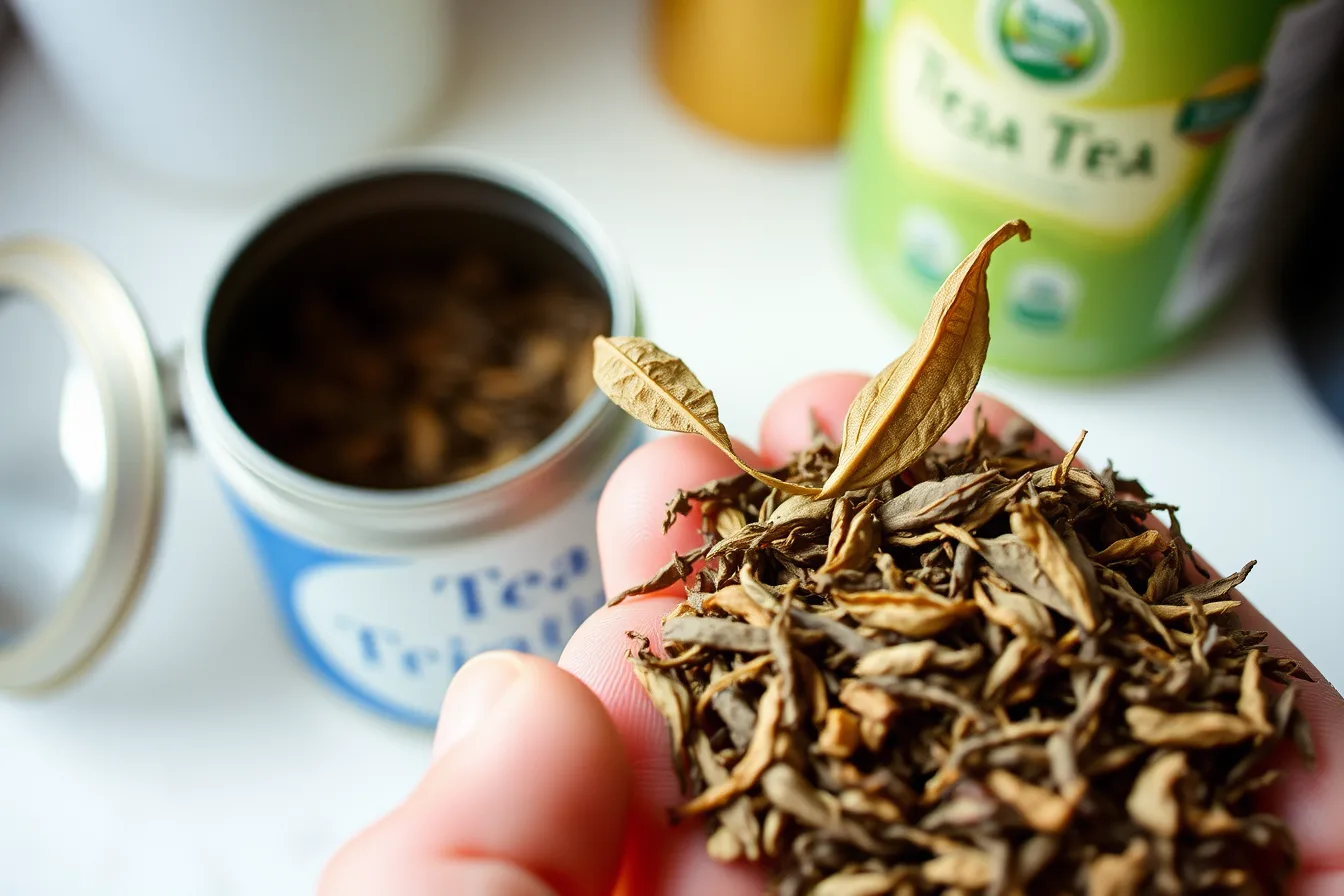
- Dry leaf should snap, not bend. That one test tells you whether the room has got into the tin.
- The controls are dull and effective: sealed, dry, cool, and never stored somewhere that swings between the two.
Warm and humid is the difficult case
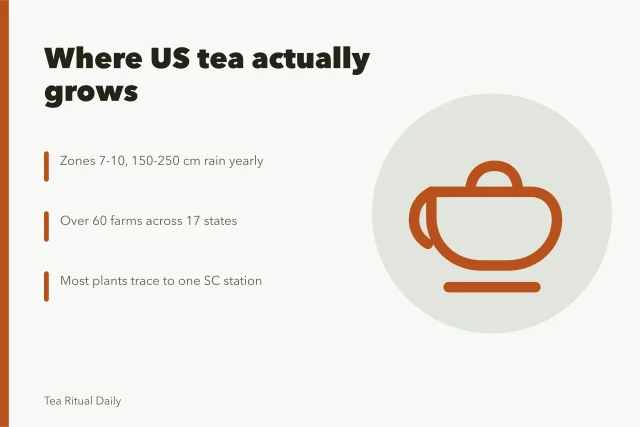
Most American tea growing happens across the Southeast and the Gulf coast, plus Hawaii and parts of the Pacific Northwest. Several of those are humid for most of the year, and humidity is the variable that turns storage from a flavor question into a handling question.
Dry tea is hygroscopic. It takes up moisture from the air, and once its moisture content rises, everything that ages a tea speeds up and biological growth becomes possible where it was not before.
Packed beats unpacked, on the evidence
A market survey of 37 tea brands sold in Lebanon tested for aflatoxins and ochratoxin A by ELISA. It found low levels in most samples, four brands above the European limit for total aflatoxin, and all samples below the Chinese limit for ochratoxin A. For storage, aflatoxin contamination was significantly higher in unpacked tea than in packed tea.
That is one market and one snapshot, so read it narrowly. The transferable point is about handling: sealed packaging is doing work, and open bulk bins in a humid room are the condition under which problems appear. On a shop floor the same exposure is a dating problem, which is why dated bulk containers sit on the counter checklist.
Borrow the test that herb driers use
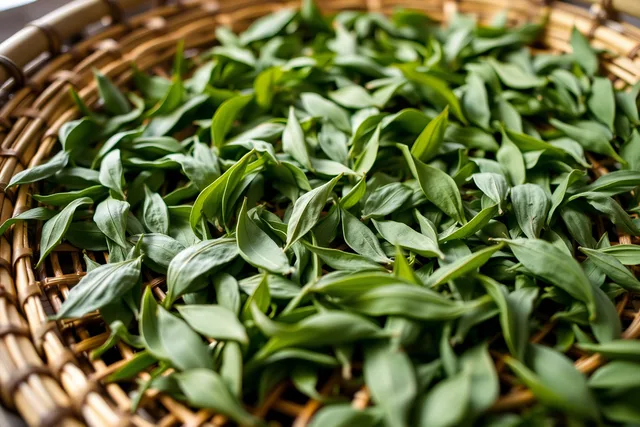
Anyone drying leaves shares your problem. Extension guidance tells how to know it is solved. Clemson's herb drying factsheet says leaves are dry when they crumble and the stems break when bent.
It adds humid areas need higher drying temperatures than elsewhere. High-moisture tender leaves will mold outright if not dried quickly.
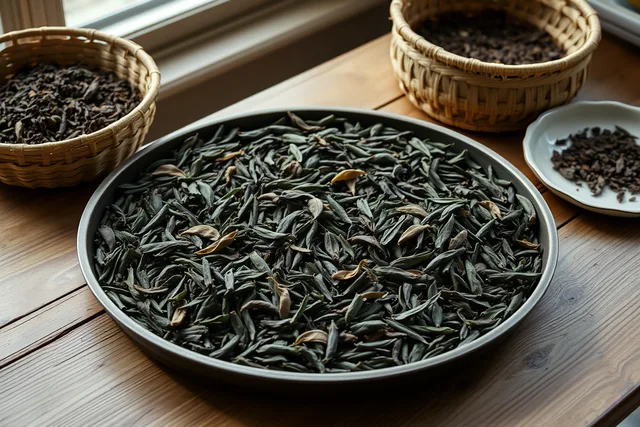
That gives you a monthly check for a tea tin. Take a leaf and bend it. If it snaps, the tea is dry. If it folds, it has taken up water from the room and the clock has started. No container reverses that, because storage holds quality rather than improving it.
Rules for a humid climate
| Rule | Why |
|---|---|
| Sealed containers, not open jars | Humidity is the main enemy |
| Air conditioned room, not a garage | Cycling humidity is worse than steady |
| Never above a dishwasher or sink | Localized humidity spikes |
| Dark tea stored separately, ventilated but dry | It needs air without moisture |
| Check dry leaf by feel monthly | Softness means moisture uptake |
Dry tea should snap or crumble. If it bends, it has taken up water, and it needs to be dried gently or drunk soon.
What to do with a tea that has softened
Spread it on a tray in the lowest oven setting, well below the boil, for ten to fifteen minutes with the door ajar, then cool completely before sealing. Too much heat cooks the leaf rather than drying it. It does not restore lost aroma, so it is a rescue, not a routine.
The general storage principles are in loose leaf tea storage rules that protect flavor, and the regional context is in who is doing interesting work in American tea brands.
Common questions
Is a dehumidifier worth it?
If you keep a significant amount of tea in a humid climate, yes. Controlling the room is easier than controlling twenty containers.
Should I refrigerate in the summer?
Only sealed and portioned, and always warmed to room temperature before opening. Otherwise condensation undoes the benefit.
How do I know if tea has taken up moisture?
It bends instead of snapping, it smells muted, and it may clump. All three are reversible early and not reversible late.
Does vacuum sealing help in humid conditions?
It helps with moisture and it crushes whole leaf. For flat or broken tea it is reasonable, for rolled whole leaf it is not.