Guides
One plant, six processing routes: a field guide to specialty tea
What specialty tea actually means: one plant, six processing routes, and the label fields that predict the cup far better than the price does.
What to take away
- Green, white, yellow, oolong, black and dark tea can all come off one bush. What separates them is what happens after picking.
- Processing moves polyphenol content a lot and caffeine very little, so ranking caffeine by the color of the tea is unreliable.
- Caffeine figures are ranges, not numbers, and the ranges overlap between types.
- Specialty is a trade word in the United States, not a graded standard. Treat it as the start of a question.
One plant, six ways to process it
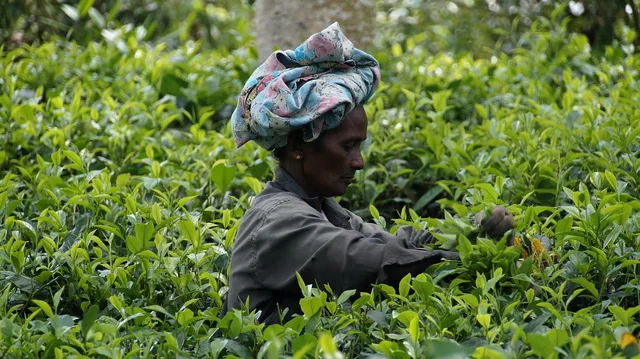
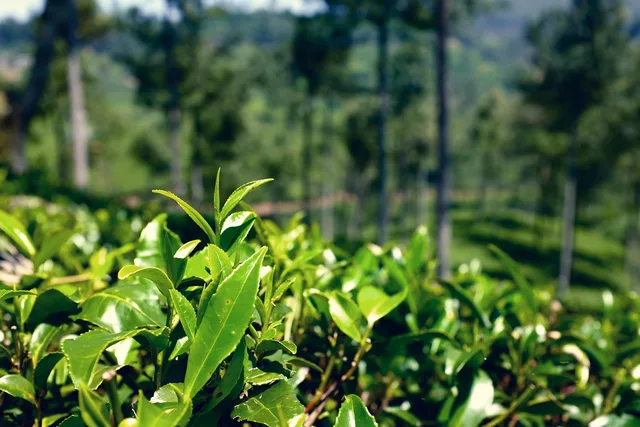
Almost everything sold as tea comes from Camellia sinensis. Rooibos, chamomile and peppermint are infusions of other plants. The six categories are defined by what the leaf is put through: how long it wilts, whether it is bruised, whether enzymes are killed early with heat, and how it is dried.
Polyphenols across six processing routes
- 238Green
- 133Black
A 2021 study took leaves from one cultivar, picked on a single day, and ran them through six standard manufacturing routes. Across the six finished teas, total polyphenol content ran from 238 mg/g down to 133 mg/g, highest in the green and lowest in the black, while caffeine showed no significant difference.
One garden, one picking, one leaf. Everything separating those cups came from the factory floor. Each of those stages is a set of dials rather than a recipe, described in how loose leaf tea is actually made.
That kills a widespread shortcut. Black tea being the strong one and green the gentle one describes color, not caffeine.
What the categories usually deliver
Process
- Green
- Heat early, no oxidation
- White
- Withered and dried only
- Yellow
- Green plus a smothering step
- Oolong
- Partial oxidation, often roasted
- Black
- Full oxidation
- Dark
- Post-fermented with microbes
Usual cup
- Green
- Grassy, sharp if oversteeped
- White
- Soft hay, forgiving
- Yellow
- Rounder than green
- Oolong
- Floral to toasted
- Black
- Malt and cocoa, takes milk
- Dark
- Earthy, low astringency
How much caffeine is actually in it
Processing barely moves caffeine, so useful figures are per cup and come with wide ranges. Clemson's extension service publishes a table: an 8 ounce cup of black tea at a typical 47 mg with a range of 14 to 70.
Green tea is about 25 mg, white tea about 15, and iced tea 9 to 50. Drip coffee runs 75 to 165. The spread comes from brewing method, plant variety and brand.
The honest answer is a range, and the ranges overlap between types. If you want less, brew shorter and use less leaf. That moves it further than switching color does.
Reading a bag before you buy it
- A harvest year or date, not just a best-before stamp.
- A named region or garden rather than a country alone.
- Leaf grade, or a photograph of the actual dry leaf.
- An ingredient line, since blends often carry additions not named on the front.
- A net weight you can turn into a price per gram.
A fuller version of that checklist is in what to look for when buying specialty tea.
Setting up so the first cup is not the test
Buy small: twenty five grams is about ten sessions, enough to learn a tea and cheap enough to abandon. Keep a scale, since a spoon of rolled oolong and a spoon of white tea differ in weight by a factor of three.
Write down grams, volume, temperature and time, then change one at a time. Method: how to taste and compare specialty tea at home.
Common questions
Is specialty tea a regulated term?
No. In the United States it carries no legal definition and no grading body. It usually signals whole leaf sold by origin rather than by brand, but confirm that yourself.
How much leaf should I start with?
Two to three grams per 200 mL of water is a reasonable starting point. Weigh it once, look at the volume it occupies, and you can eyeball it afterward.
Does older tea go bad?
Most tea does not spoil. It goes flat. Aroma fades first, then sweetness, leaving the bitter part behind. Dark teas are the exception and are often kept for years.
Do I need a special kettle or pot?
No. A scale, a variable kettle, and any vessel you can pour cleanly from covers almost everything. Gear buys repeatability, not quality.
In this guide
- Stock specialty tea by lot code and fade curve, not by brand trustHow to stock specialty tea: lot codes, turnover targets built on published shelf-life data, the supplier paperwork to request, and floor storage.
- Specialty tea trends: a checklist for testing claimsSpecialty tea trends to test: matcha grade language, aged white tea vintages and single-garden oolong, with a checklist for checking the claims behind each.
- Serving styles for specialty tea, compared side by side, with water as the wildcardFive ways to serve specialty tea, with starting doses and times for each, plus why your brewing water changes the cup more than most people expect.
- Specialty tea tasting works best when you fix every variable but oneA controlled method for comparing specialty tea at home: fix every variable but one, score bitterness and astringency apart, and taste all three steeps.
- Before buying specialty tea, check the harvest date, cultivar and net weightWhat to check before buying specialty tea: harvest date, origin, cultivar and net weight, and why the more expensive tin is not the safer bet.