Reviews
Part of Planning a tea collection starts from consumption, not a wish list
Tea collections storage with two containers: decant, date, rotate
A tea collections storage system: decant two weeks of drinking into a working tin, keep the reserve sealed and cold, date every tin and rotate by use.
What to take away
- Split each tea into a sealed reserve and a small working tin, and open only the tin day to day.
- Decant about two weeks of drinking into the tinat 3 to 5 g a session, that is roughly 40 to 70 g.
- Label every tin with the tea name, purchase date and open date, so nothing gets skipped.
- Cold storage works for sealed, portioned tea brought fully to room temperature before opening.
- Match the method to the teagreen and lightly oxidized teas want cold and sealed, dark teas want cool and dry.
Why splitting the stock protects flavor
Every opening of a bag lets in fresh air, and oxygen is the variable a home collection can control. Clemson's extension guidance says that oxygen in the air promotes certain reactions that make food deteriorate, which is why a collection needs a plan for opening bags.
You cannot remove the oxygen from a tin, but you can stop refilling it with fresh air on every opening. Splitting the stock means the reserve is opened once instead of forty times, while the small tin takes all the daily wear.
Dry tea does not become unsafe on a shelf, it only gets worse. The same extension service notes that storage does not improve the quality of any food, so the system exists to slow the loss, not to reverse it.
Set up the working tin
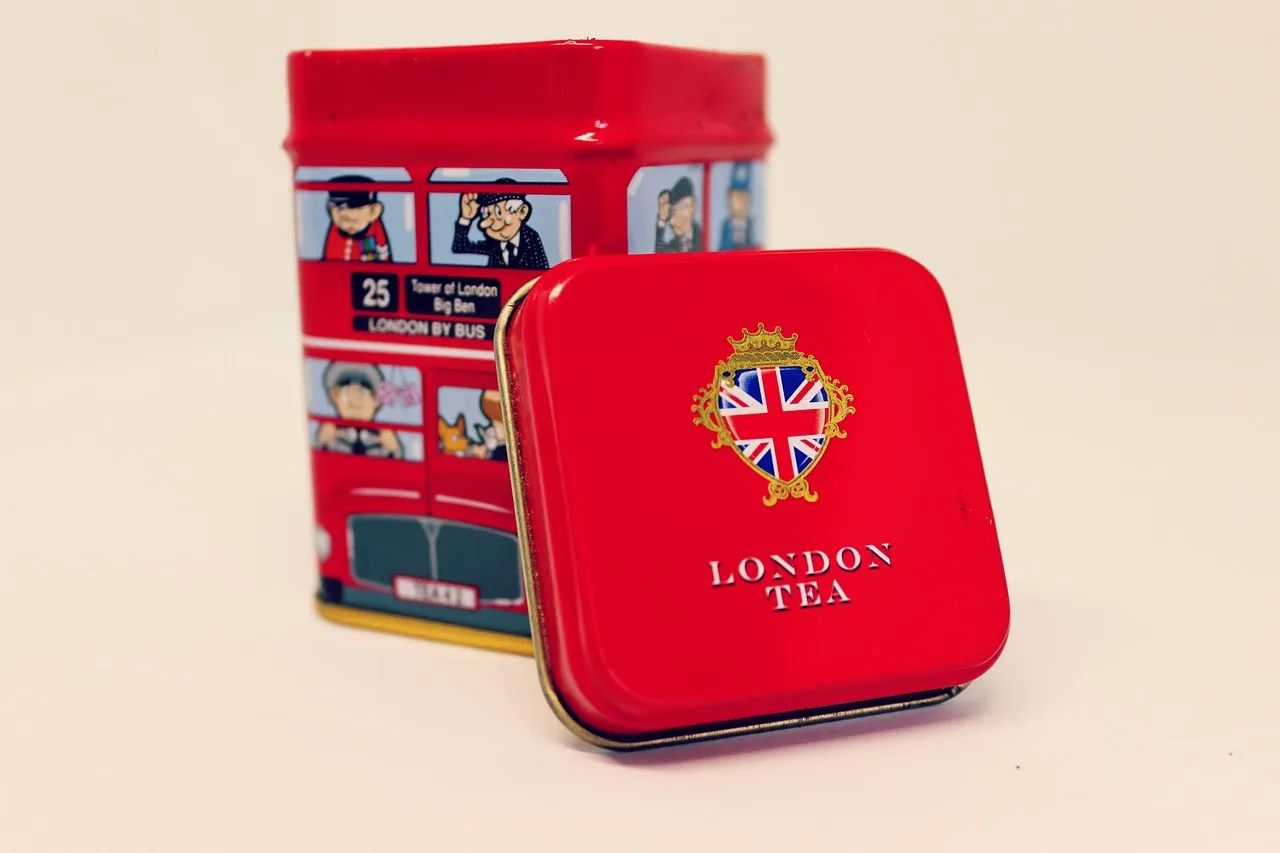
Choose an opaque tin, tin-plated steel or aluminium, with a double lid, in 100 g or 250 g. Fill it to about 90 percent of the volume, leaving roughly 1 cm of headspace, so each opening exchanges as little air as possible.
- Weigh two weeks of drinking into the small tin. At 3 to 5 g a session, one daily session for two weeks is roughly 40 to 70 g.
- Label the tin with the tea name, purchase date and open date. A tin with no date gets skipped, which is how tea ages out on a shelf full of good intentions.
- Reseal the reserve in its foil, press out the air, date the bag and store it cold or in a dark cupboard.
- Refill the small tin from the reserve in one pour, then reseal the reserve. Check the tin monthly for flat, woody or fatty notes.
Rotate the shelf by use
Shelf life follows the method, not the calendar. Tea sealed and cold keeps for six to twelve months, while a tin opened daily gives two to three months. Write both dates on the tin so the shorter clock is always visible.
Plan the rotation around the tea you drink most. The steps for planning a tea collection start from consumption, and the same logic tells you which reserves to open next. A shelf life checklist helps when a tin sits unopened for months.
Stale odor in green tea has a chemical signature: woody and fatty notes from carotenoid and lipid breakdown. Smelling the working tin at each monthly check catches that signature early, before the tea reaches the cup. Flat, woody or fatty notes where fresh ones used to be mean the tin has passed its useful window.
Cold storage for the reserve
A typical fridge sits at 2 to 4 C (35 to 40 F), and a typical home freezer at about -18 C (0 F). The temperatures that performed best in published green tea storage trials are colder than a fridge, typically around -20 C.
Cold storage works, but only for sealed, portioned tea brought fully to room temperature before opening. Repeatedly moving one bag in and out is what causes damage, not the cold, so freeze the reserve in portions and thaw one at a time.
Keep relative humidity low too: a typical target is under about 50 percent, so a sealed tin with a desiccant pack beats an open shelf in a humid kitchen. Humidity is the second thing to check when a reserve comes out of the cold.
Shelf rules for every tin
Six rules cover the whole shelf, and each has a reason. Keep the leaf dark because light speeds oxidation. Use an airtight tin, and fill it full. Keep the shelf cool, keep one tea per tin, and date every tin.
Shelf Storage Rules
- Opaque containers block light degradation
- Airtight and filled full limits oxygen
- Cool and stable beats cycling temperature
- Away from spices and coffee
- Date every tin on the outside
- Small working portion keeps reserve sealed
What not to bother with
Vacuum sealing loose leaf crushes it, and crushed leaf brews differently, so the working tin should stay a simple lidded tin. Decorative glass jars on a windowsill are the worst common storage in any home.
Clay caddies suit dark tea, not green, and no container rescues tea already old at purchase. Date codes matter more than storage, because the system only slows the loss. The retail side is covered in a retailer checklist for stocking specialty tea.